
Your DNA is unique and permanent, making its privacy critical – not just for you, but for your family. With over 26 million people sharing their DNA through testing platforms, risks like data breaches, law enforcement access, and unintended family discoveries are growing.
Key Actions to Secure Your DNA Data:
- Review Consent Forms: Understand how your data is stored, shared, and deleted.
- Control Data Sharing: Adjust who can access your results and limit research participation.
- Secure Your Account: Use strong passwords, two-factor authentication, and pseudonyms.
- Check Law Enforcement Policies: Know how platforms handle government requests.
- Monitor Settings Regularly: Stay updated on privacy policy changes and permissions.
Quick Tip: Most platforms allow you to delete your data, but some details may still be retained for legal or research purposes. Always double-check policies and ask for physical sample destruction if needed.
Your DNA privacy decisions impact not just you, but your relatives. Take control of your settings today to safeguard sensitive information.
Is DNA Testing Safe From a Genetic Genealogy Company?
DNA Privacy Settings Checklist
Here’s a step-by-step guide to help you secure your DNA privacy settings and manage your genetic data effectively.
Read and Verify Consent Forms
DNA testing services typically provide two types of consent: one for the basic test and another for optional research participation. Before agreeing to anything, take the time to carefully review the consent forms and privacy policies. For example, AncestryDNA explains:
"Your consent to participate in this research is completely voluntary and is not required to use any of our products or services. Even if you consent to participate in the research, you may withdraw your consent at any time, but your information will not be removed from research that is in progress or completed."
Make sure you understand:
- How your biological samples are handled
- Where your genetic data is stored
- Who can access your information
- What happens to your data if you delete your account
Set Data Sharing Options
Platforms like AncestryDNA allow you to control how your genetic data is shared. According to AncestryDNA:
"You decide who can see your DNA results, how much they can see, and what they can do with them."
| Access Level | Permissions | Use For |
|---|---|---|
| Viewer | See shared DNA matches | Distant relatives, casual connections |
| Collaborator | Compare results, suggest updates | Trusted genealogy partners |
| Manager | Full access to results and settings | Legal guardians, primary researchers |
Protect Personal Information
Take extra steps to safeguard your DNA data:
- Secure your account with a strong password and two-factor authentication.
- Regularly review who has access to your DNA results.
- For extra security, use a pseudonym and/or set your family tree to Private.
Check Law Enforcement Access Rules
Policies on law enforcement access differ between platforms. For example, AncestryDNA states:
"Ancestry does not voluntarily cooperate with law enforcement. To provide our Users with the greatest protection under the law, we require all government agencies follow valid legal process."
GEDmatch, on the other hand, permits DNA uploads by law enforcement, but only under specific conditions.
Monitor Privacy Settings Changes
DNA testing platforms often update their features and policies. To stay on top of these changes:
- Review your privacy settings every few months.
- Adjust your email notification preferences.
- Double-check your data-sharing permissions.
- Confirm your research participation choices.
- Update your account security settings.
sbb-itb-65d4ad3
Privacy Tools by DNA Platform
Here’s a closer look at privacy tools offered by DNA platforms to help you manage your data effectively.
AncestryDNA Privacy Controls
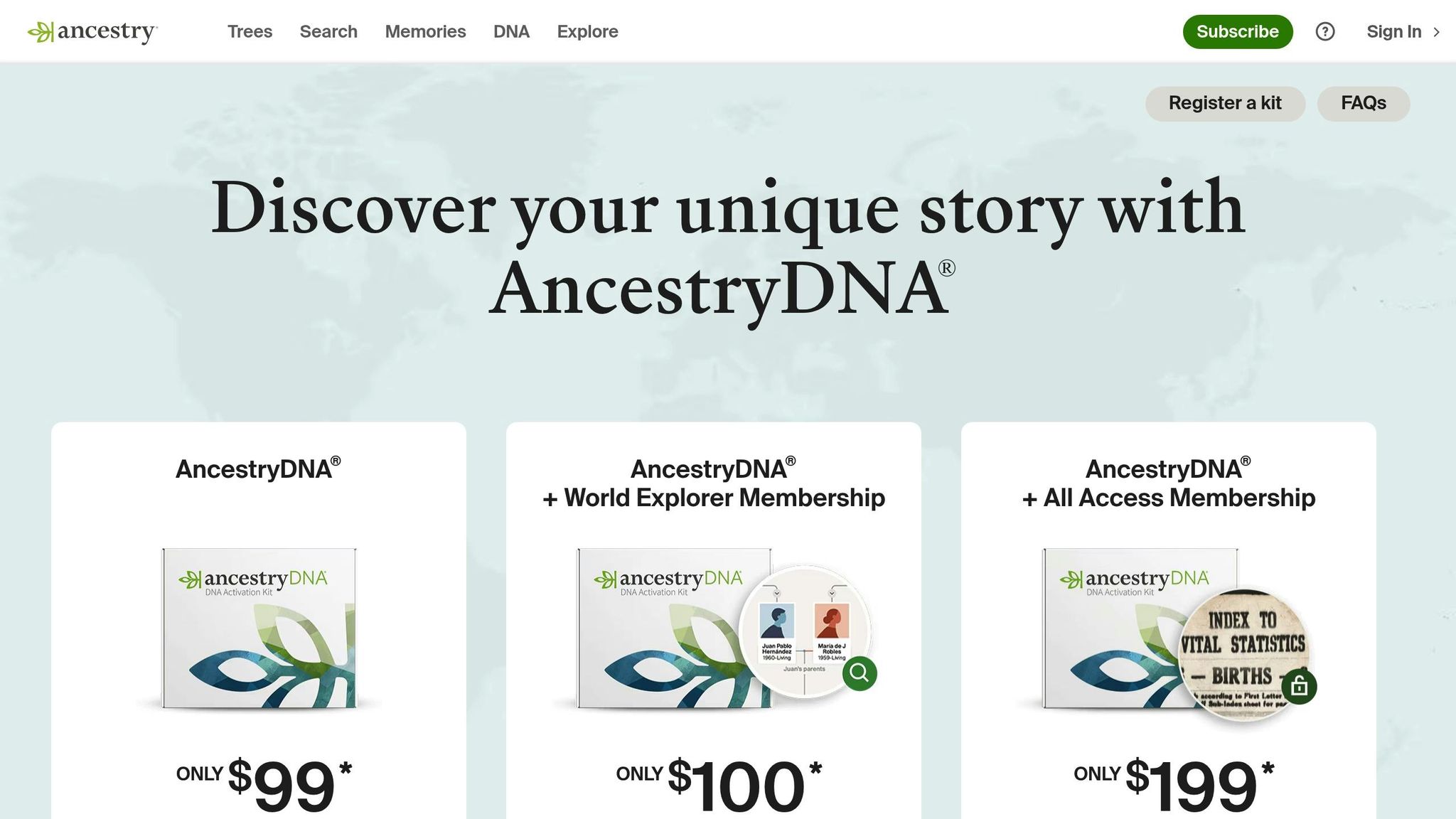
On dna.ancestry.com, you can adjust settings like your display name, ethnicity visibility, and participation in research. These controls let you decide how much of your genetic information is shared and with whom.
GEDmatch Privacy Options
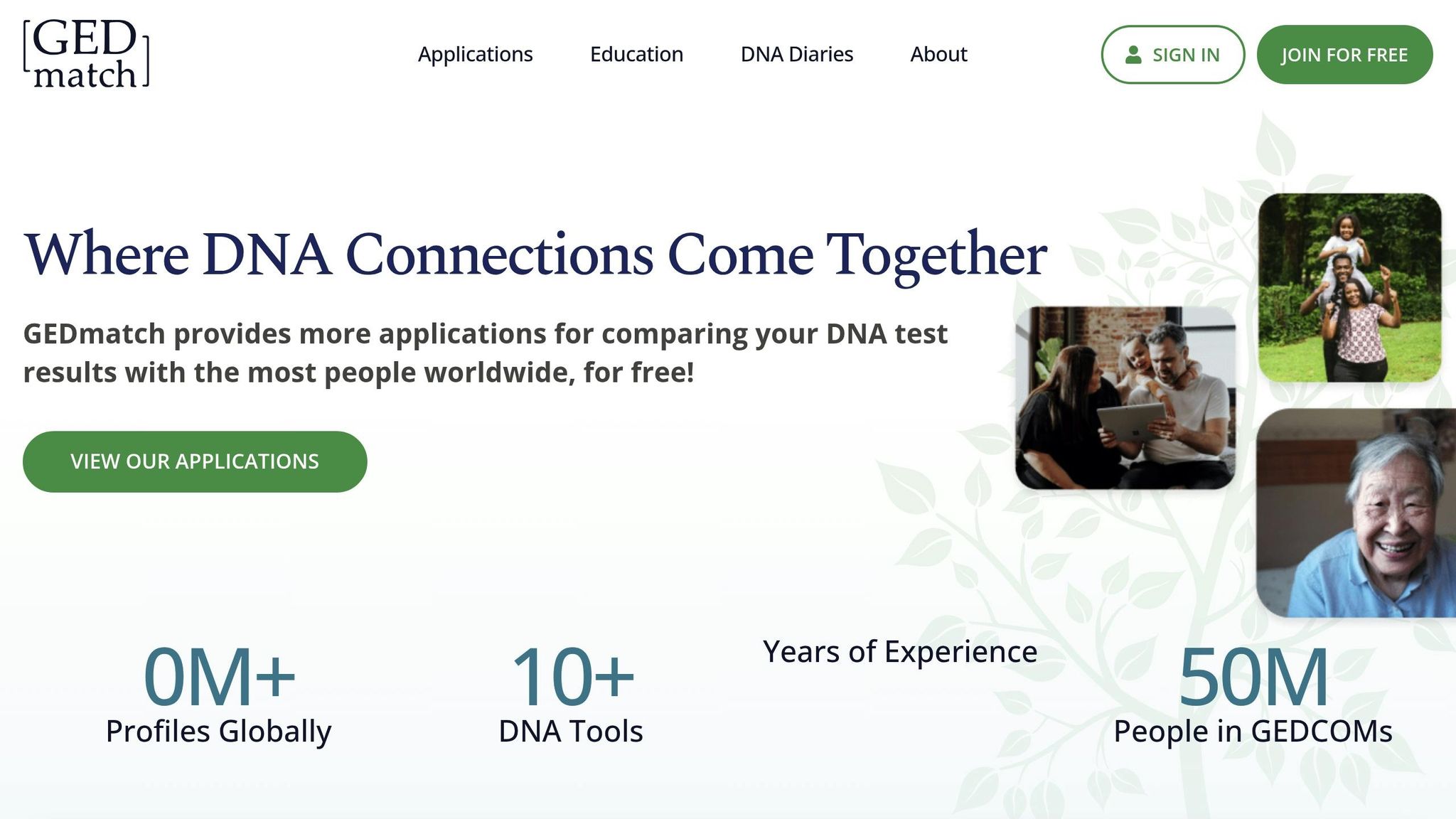
GEDmatch offers a detailed four-tier system for managing DNA data sharing:
- Public + Opt-in: Your DNA kit will be compared to all other kits in the GEDmatch database to find your matching genetic relatives. Kits in the database include those submitted by users undertaking personal genetic genealogy research, adoptee searches, users (including law enforcement) attempting to identify unidentified human remains, and law enforcement attempting to identify perpetrators of violent crimes. Your kit WILL be compared with kits submitted by law enforcement to identify perpetrators of violent crimes. The operators of GEDmatch encourage everybody to select this option.
- Public + Opt-out: Your DNA kit will be compared to all other kits in the GEDmatch database to find your matching genetic relatives. Kits in the database include those submitted by users undertaking personal genetic genealogy research, adoptee searches, and users (including law enforcement) attempting to identify unidentified human remains. Your kit WILL NOT be compared with kits submitted by law enforcement to identify perpetrators of violent crimes.
- Personal Research: Your DNA kit will be compared to all other kits in the GEDmatch database to find your matching genetic relatives. However, your DNA kits will not be shown in match result reports generated for other kits (including kits submitted by or on behalf of law enforcement). Genealogy and genetic genealogy require the sharing of information, and choosing this option will not allow your matches to see your DNA kit in their match results. This option may be used for regular uploads if you have specific reasons for doing so.
- Private: Your kit is not available for comparisons with any other kits. No comparison results will be shown unless you change this setting to another privacy category.
These settings provide flexibility, but it’s important to compare privacy features across platforms to find the best fit for your needs.
DNA Platform Privacy Comparison
Each DNA testing service approaches privacy and data protection differently. Here’s how some of the major players stack up:
| Feature | AncestryDNA | 23andMe | MyHeritage |
|---|---|---|---|
| Law Enforcement Access | Requires court order | Requires court order | Requires valid subpoena |
| Data Deletion | Full deletion available | Complete account removal option | Data removal on request |
| Research Participation | Opt-in required | Separate consent needed | Optional participation |
| Third-party Sharing | Limited to consented research | Strict consent requirements | Research consent optional |
To strengthen your privacy on any platform, experts suggest the following:
- Use a pseudonym for your account.
- Regularly check and update your privacy settings.
- Be cautious about participating in research programs.
- Understand each platform’s data retention policies.
- Monitor permissions for third-party data sharing.
Taking these steps ensures that your DNA privacy settings align with your personal preferences and concerns.
Advanced DNA Privacy Topics
DNA Data Deletion Facts
Deleting your genetic data is more complex than it seems. Each platform has its own retention policies, and while your DNA profile can be erased, some non-genetic details like your birth date or sex might still be kept for legal or research reasons.
Here’s how deletion works for two major platforms:
- 23andMe: After confirming via email, 23andMe deletes your genetic data but keeps minimal details to comply with legal requirements. You’ll need to contact their support team if you also want your physical DNA sample destroyed.
- AncestryDNA: You can delete your DNA test results and revoke consent through the "DNA Settings" menu. To ensure your physical DNA sample is destroyed, you’ll need to reach out to Member Services.
Deleting your data is a vital step, but ethical considerations about how genetic information is handled remain just as important.
DNA Research Ethics
When working with genetic data, privacy isn’t the only concern. Ethical responsibility plays a huge role in how this information is managed and shared. Beyond technical safeguards, clear guidelines are essential for ethical handling.
Some key principles:
- Informed Consent: Always get clear permission before sharing DNA results.
- Protecting Living Relatives: Anonymize names and contact details unless you have explicit consent.
- Handling Family Secrets: Think carefully about the potential consequences of revealing sensitive genetic information.
The National Genealogical Society provides clear advice on this topic:
"Genealogists respect all limitations on reviewing and sharing DNA test results imposed at the request of the tester. For example, genealogists do not share or otherwise reveal DNA test results (beyond the tools offered by the testing company) or other personal information (name, address, or email) without the written or oral consent of the tester."
When managing DNA data, keep these ethical considerations in mind:
| Ethical Consideration | Required Action | Impact |
|---|---|---|
| Data Sharing | Obtain explicit consent | Protects individual privacy rights |
| Research Participation | Provide comprehensive information | Ensures informed decision-making |
| Family Impact | Evaluate disclosure consequences | Maintains family relationships |
| Living Relatives | Redact personal information | Preserves privacy of living individuals |
Genetic genealogy can reveal surprising connections and sensitive information. Always prioritize the privacy and emotional well-being of living individuals over research objectives.
Conclusion: DNA Privacy Protection Steps
Protecting your DNA data requires a mix of secure account settings and staying informed about policy updates. Since your genetic information is permanent and deeply personal, taking the right precautions is essential.
Here are some practical steps to help safeguard your DNA privacy:
| Privacy Action | Steps to Take | Why It Matters |
|---|---|---|
| Account Security | Use multi-factor authentication and strong, unique passwords | Blocks unauthorized access |
| Data Management | Keep raw DNA files on a password-protected device | Protects highly sensitive information |
| Regular Monitoring | Check privacy policies every few months | Keeps you informed about changes |
| Consent Control | Double-check sharing settings after updates | Ensures your preferences are respected |
These steps are essential for keeping your genetic data safe. Keep in mind that privacy policies don’t retroactively affect previously collected data, and companies are required to notify you of changes.
One more thing to consider: your genetic data doesn’t just impact you – it can also reveal information about your relatives. That makes your privacy decisions important for your entire family.
To stay on top of your DNA privacy, make it a habit to:
- Secure your raw DNA data on a protected device
- Use a password manager to create strong, unique passwords
- Pay attention to updates from DNA testing platforms
- Push for stronger laws to safeguard genetic information
Your vigilance today can make a big difference in protecting your genetic data for years to come.